Do You Actually Need New TPMS Sensors? A Straight Answer
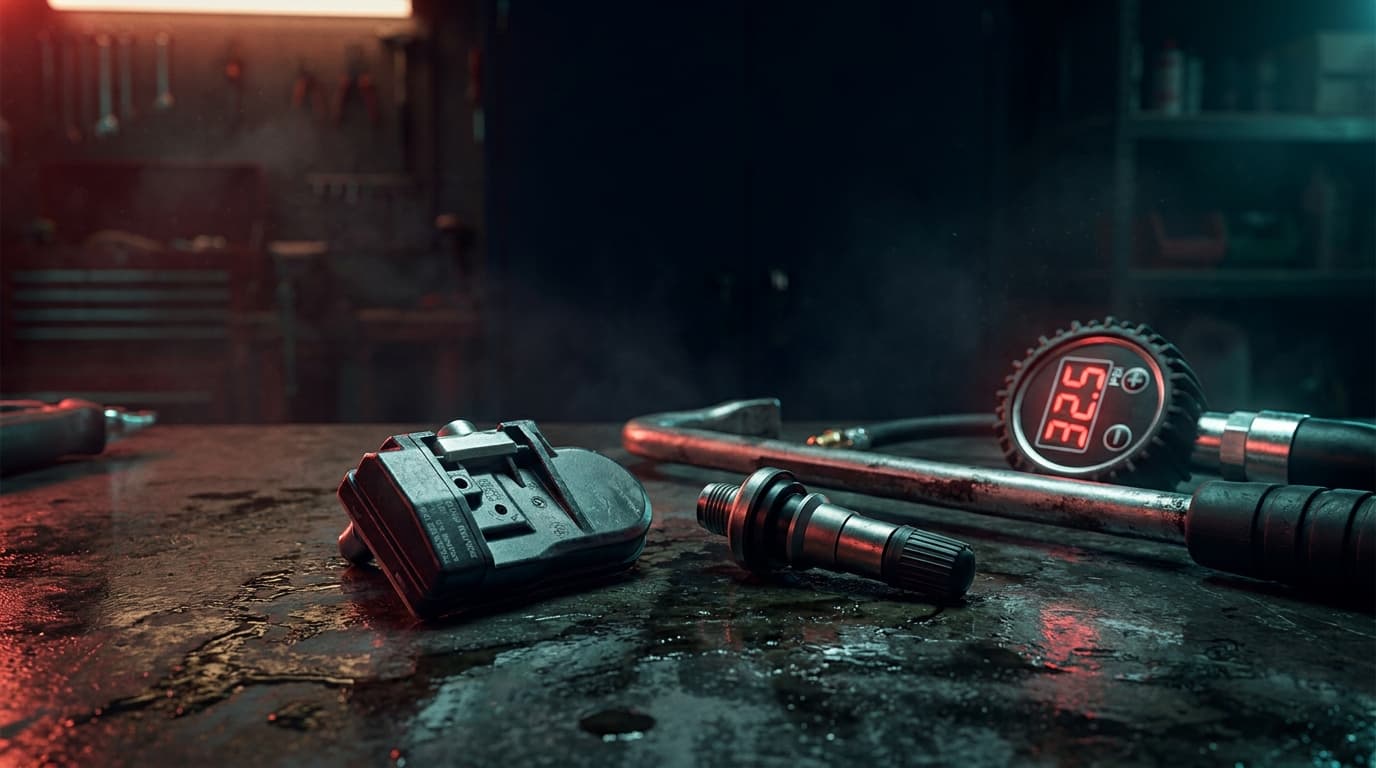
A Tire Pressure Monitoring System (TPMS) warns you when a tire is underinflated. There are two kinds: "direct" systems use a battery-powered sensor inside each wheel, while "indirect" systems infer low pressure from wheel-speed data via the ABS — no in-wheel sensor at all. Which one you have decides whether sensors even enter the conversation, so it is worth checking your owner's manual first.
When you genuinely need new ones
- You have direct TPMS and are building a second (winter) wheel set — those wheels need their own compatible sensors.
- A direct sensor's battery has died. They are sealed units that last roughly 5–10 years; once dead, they are replaced, not recharged.
- One was damaged during a previous tire change (it happens).
When you probably don't
If your existing sensors are healthy and you are simply changing tires on the same wheels, your sensors carry over — no new ones required. A good shop will test them first. If someone quotes you four new sensors just for a tire swap without testing, ask why.
Programmable vs. OE sensors
Universal programmable sensors (like the ones we stock) cover a huge range of makes from a single part — cheaper and simpler than chasing down four dealer-specific sensors. Depending on the vehicle and whether the sensor is set to a new or a cloned ID, it may need a quick "relearn" to the car after install — often a two-minute procedure with the right tool.
Not sure what your car takes? Send us your year, make, and model and we will point you to the exact sensor — and tell you honestly if you even need one.
Need a hand choosing?
Tell us your vehicle and we'll confirm the fit before it ships.