Winter Tires vs. All-Weather: What Actually Works in a Canadian Winter
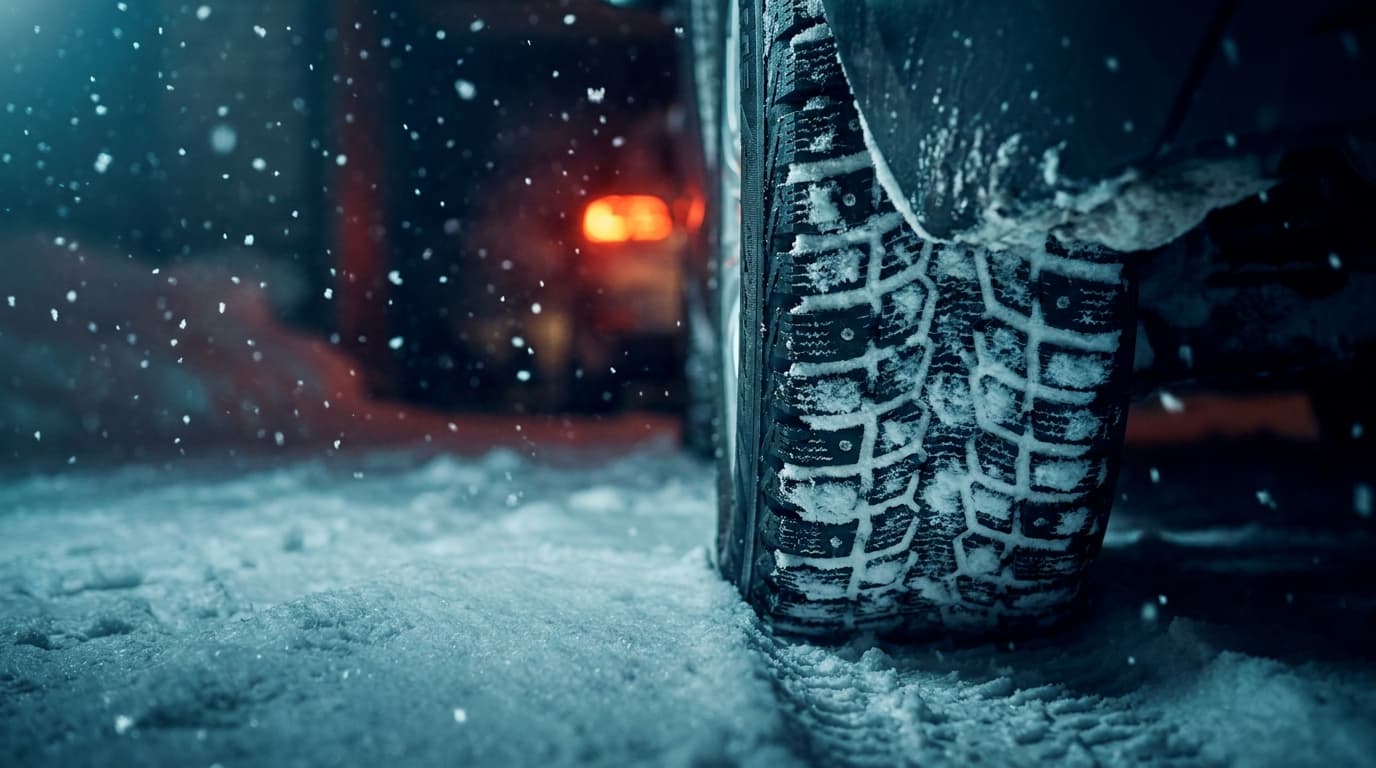
Every fall the same question lands in our inbox: do I really need dedicated winter tires, or can I run all-weathers and save myself the swap? The honest answer is "it depends" — but not in the wishy-washy way that usually means "we don't know." It depends on exactly two things: where you drive, and how cold it actually gets there.
The 3PMSF badge is a floor, not a guarantee
Both true winter tires and all-weather tires can carry the 3-Peak Mountain Snowflake (3PMSF) symbol, which means they passed a straight-line snow-traction test. That badge denotes a standardized snow-traction threshold, not a Canada-wide legal requirement — winter-tire rules vary by province (Quebec mandates them; most provinces don't). And it says nothing about ice braking, cold-weather grip, or how the tire behaves in a panic stop at −20°C. Two tires can both wear the snowflake and stop metres apart on ice.
What a dedicated winter tire actually buys you
The magic isn't the tread pattern — it's the rubber. Winter compounds stay soft and pliable below 7°C, the temperature where all-season and even all-weather rubber starts to harden and lose grip. Combine that with deeper sipes that bite into snow and channel away slush, and you get dramatically shorter stopping distances on ice and packed snow.
- Best for: anyone north of the snow belt, mountain passes, gravel roads, or anyone who has to get to work in a storm.
- The trade-off: you swap them off in spring (they wear fast in the heat) and store a second set.
- The payoff: the shortest ice-braking distance money can buy, full stop.
Where all-weather tires shine
All-weather tires are a genuine one-set-year-round solution — a real category, not marketing. They give up some deep-winter ice performance in exchange for never having to swap, store, or re-book an install. For a city driver who sees plowed roads, garages their car, and rarely faces black ice, a quality all-weather is the smart, low-hassle choice.
Our rule of thumb
If a bad stop could put you into oncoming traffic — highway commutes, rural roads, hilly terrain — buy dedicated winters. If your winter is mostly cleared city streets and short trips, a 3PMSF all-weather will serve you well and simplify your life. When in doubt, message us your postal code and vehicle; we will tell you honestly which way we would lean, and we do not upsell winters to people who do not need them.
Need a hand choosing?
Tell us your vehicle and we'll confirm the fit before it ships.